

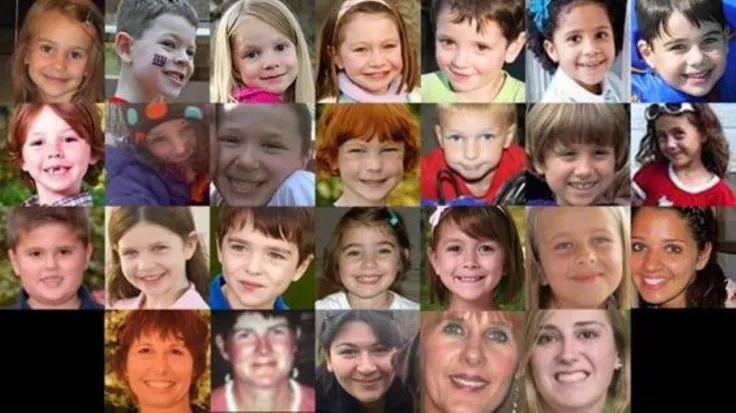

A Tragedy That Shook the Nation
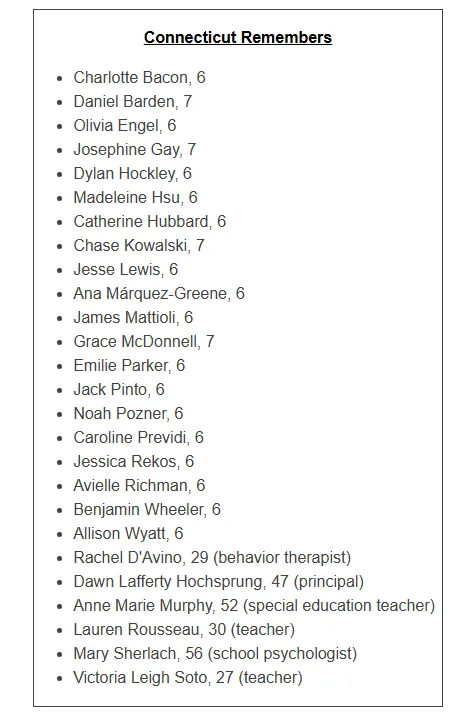
On 14 December 2012, a tragic event unfolded as 20 first-graders, primarily aged six or seven, along with six educators, lost their lives in the deadliest mass shooting at an elementary, middle, or high school in the history of the United States. The gunman, 20‑year‑old Adam Lanza, also killed his mother before driving to Sandy Hook Elementary School in Newtown, Connecticut. The incident occurred rapidly, creating a lasting impact on both the state and the country.
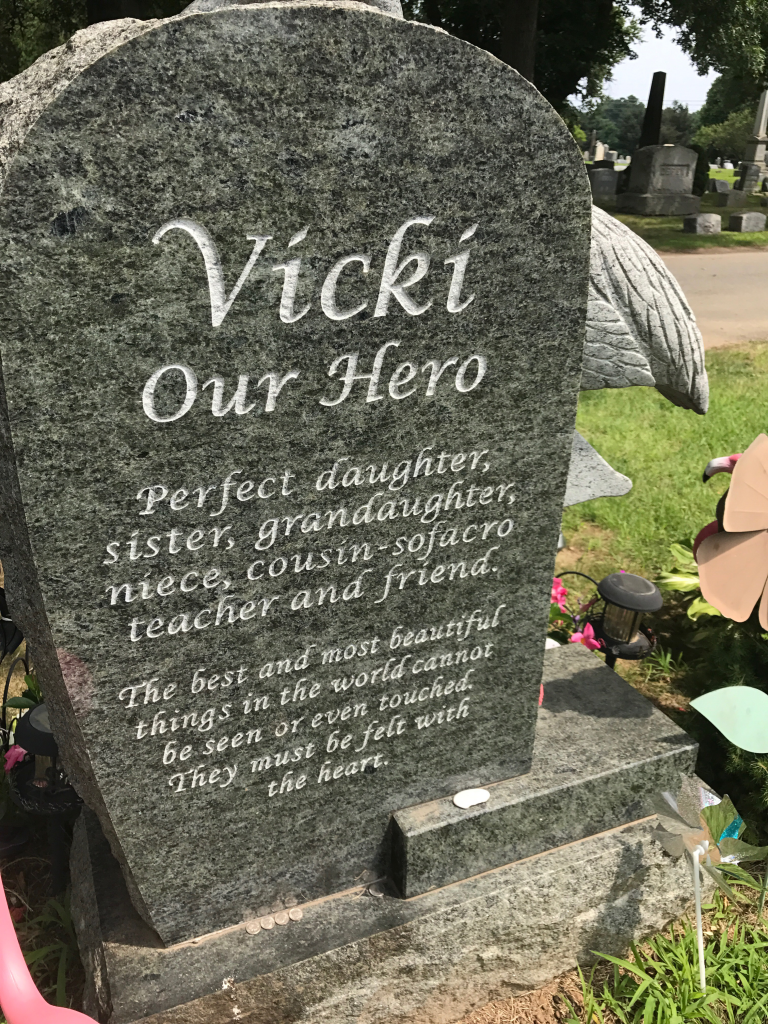
The victims’ names have since been etched into public memory, and their individual stories continue to resonate. Among the teachers killed was Victoria Leigh Soto, who has since become a powerful emblem of bravery for her actions in redirecting the shooter’s focus away from her students, ultimately sacrificing her own life.
In the subsequent years, the original Sandy Hook Elementary School was torn down and a new facility was constructed in its place. A permanent memorial has been established near the site, offering a place for reflection and remembrance for families, residents and visitors alike.

In the wake of the massacre, advocacy initiatives connected to Sandy Hook have aimed to transform sorrow into concrete reforms focused on decreasing gun violence.
Organisations such as Sandy Hook Promise, co‑founded by families directly affected by the shooting, have taken a leading role in prevention efforts across the country. Their work focuses on programmes such as Know the Signs and Start with Hello, aimed at educating individuals on recognising warning signs and promoting inclusive environments within schools.
Sandy Hook Promise reports that its programmes have played a role in averting more than a thousand youth suicides and almost two dozen intended school shootings. It is also generating hundreds of thousands of anonymous tips to a national reporting system.
Beyond grassroots work, legislative reforms have also taken shape. The Bipartisan Safer Communities Act of 2022 stands out as a landmark piece of legislation in the subject of gun safety, marking a significant shift in federal policy. It introduced expanded background checks for younger buyers, imposed restrictions on firearm access for individuals with a history of domestic abuse, allocated funding for violence prevention initiatives, and encouraged states to implement red flag laws.
At the state level, Connecticut enacted comprehensive gun control measures shortly after the shooting and has continued to strengthen them, including expanded bans on assault weapons and enhanced safety protocols.