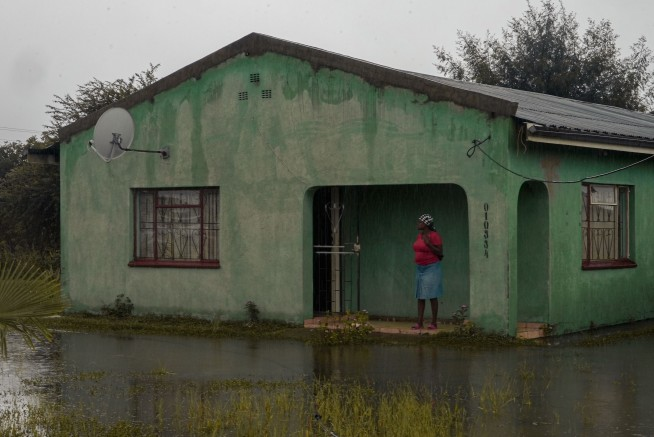
Flood Nightmare: 100+ Killed in Africa
Torrential rains and flooding in three countries in southern Africa killed more than 100 people, authorities said on Friday.
- Mozambique was the hardest hit, with flooding across swaths of the country’s central and southern provinces. Its Institute for Disaster Management and Risk Reduction said 103 people had died in an unusually severe rainy season since late last year, though that count included deaths from various causes, including electrocution from lightning strikes, drowning in floods, infrastructure collapse caused by the severe weather, and cholera. More than 200,000 people have been affected in Mozambique, thousands of homes have been damaged, and tens of thousands face evacuation, the World Food Program said.
- In neighboring South Africa, officials said on Friday that the death toll from floods in two northern provinces had risen to at least 30, with rescue efforts ongoing. The nation’s renowned Kruger National Park, which covers some 7,720 square miles across two provinces, has been affected by severe flooding. Around 600 tourists and staff members have been evacuated from camps to high-lying areas in the park, per a park spokesperson.
- Zimbabwe’s disaster management agency, meanwhile, said that 70 people have died and more than 1,000 homes have been destroyed in heavy rains since the beginning of the year, while infrastructure including schools, roads, and bridges has collapsed.
- Flooding has also hit the island nation of Madagascar, as well as Malawi and Zambia. The United States’ Famine Early Warning System said flooding was reported or expected in at least seven southern African nations, possibly due to the presence of the La Nina weather phenomenon that can bring heavy rains to parts of southeastern Africa.
- Southern Africa has experienced a series of extreme weather events in recent years, including devastating cyclones that killed thousands across several countries and a scorching drought that caused a food crisis in parts of a region that often suffers food shortages.